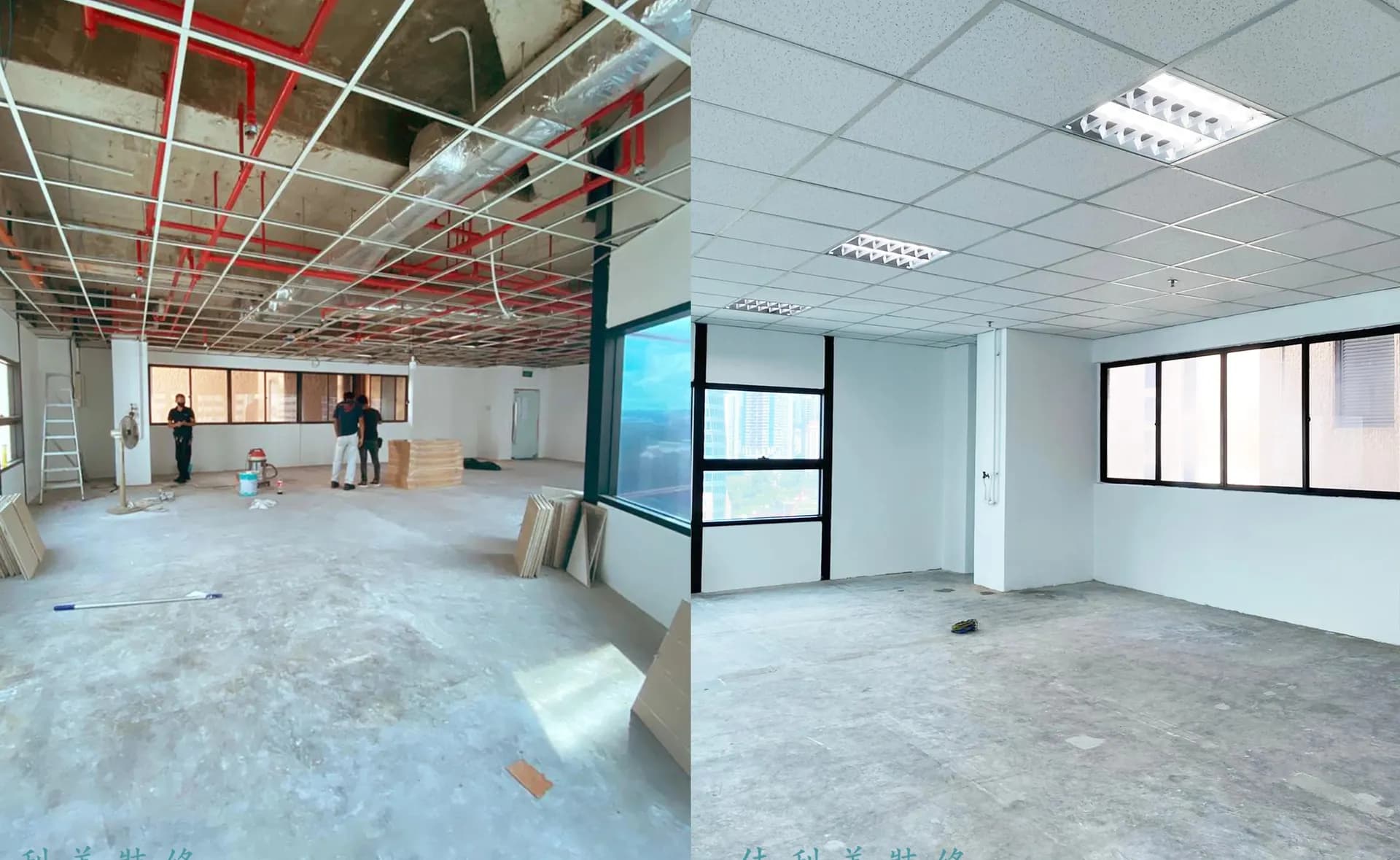
Renovation is exciting, but it is also one of the most complex projects a homeowner or tenant will manage. In Singapore, renovation involves coordination between multiple trades, building regulations, and — for tenants — strict reinstatement obligations at the end of a lease. This guide explains both sides of the equation: how to plan a renovation properly, and how to handle reinstatement so you get your deposit back without disputes.
Part 1: Planning a Renovation in Singapore
Understand What Requires Approval
Certain renovation works in Singapore require approval from HDB, URA or the building's management corporation (MCST). Common examples include:
- Structural alterations or removal of load-bearing walls
- Changes to windows, grilles or external facades
- Wet works involving waterproofing in bathrooms
- Addition of mezzanines or heavy built-in structures
For HDB flats, renovation must be carried out by a registered renovation contractor for certain categories of work. Always confirm requirements before signing a contract.
Set a Realistic Budget
Renovation costs in Singapore vary widely. As a rough guide for a 4-room HDB flat:
| Scope | Typical Cost Range |
|---|---|
| Basic cosmetic (painting, flooring) | $8,000 – $15,000 |
| Partial renovation (kitchen or bathroom) | $15,000 – $30,000 |
| Full renovation | $35,000 – $70,000+ |
| Premium renovation with custom carpentry | $70,000 and above |
Always reserve 10–15% of your budget for unexpected issues discovered during hacking, such as concealed pipe damage or uneven substrates.
Plan the Sequence of Works
Renovation follows a logical order. Disrupting the sequence causes delays and rework:
- Hacking and demolition
- Masonry, screeding and tiling
- Plumbing and electrical rough-in
- Waterproofing and testing
- Ceiling and partition works
- Carpentry and built-in installation
- Painting and finishing
- Fixture installation, cleaning and handover
Choose the Right Contractor
Look for a contractor who:
- Provides a detailed, itemised quotation
- Uses clear drawings or 3D visuals
- Communicates progress regularly
- Has verifiable completed projects
- Offers a workmanship warranty
- Handles multiple trades in-house or with reliable partners
A cheap quotation that omits preparation, protection or disposal is rarely cheaper in the end. Compare scopes, not just totals.
Part 2: Reinstatement for Tenants
What Is Reinstatement?
Reinstatement means returning a rented property to the condition it was in when you first took possession, as defined in your tenancy agreement. This typically includes:
- Removing built-in carpentry and partitions
- Restoring walls, ceilings and flooring
- Returning electrical and plumbing points to original positions
- Removing additional aircon units or fixtures
- Repainting to an agreed colour
- Repairing damage beyond fair wear and tear
Why Reinstatement Disputes Happen
Most disputes arise because the tenancy agreement is vague about what must be restored. Common problem areas include:
- Whether walls must be repainted entirely or only patched
- Whether flooring must be replaced or simply cleaned
- Who pays for professional cleaning
- What counts as normal wear and tear
- Deadlines for completing works before handover
The best defence is a detailed inventory with dated photographs taken at the start of the tenancy.
Reinstatement Cost Guide
| Item | Typical Cost Range |
|---|---|
| Removal of built-in carpentry | $300 – $1,500 |
| Wall patching and repainting | $500 – $2,500 |
| Flooring reinstatement | $600 – $3,000 |
| Ceiling and partition removal | $400 – $2,000 |
| Electrical and plumbing restoration | $300 – $1,200 |
| Full unit reinstatement (office/shop) | Quoted per project |
Reinstatement Checklist Before Handover
- Review the tenancy agreement's reinstatement clause carefully
- Obtain the landlord's written requirements where possible
- Schedule works to finish at least a few days before handover
- Photograph the completed unit from multiple angles
- Arrange a joint inspection and document any agreed items
- Keep receipts and a completion report
Residential vs Commercial Renovation
Commercial renovation — offices, shops and F&B outlets — adds layers of complexity:
- Building management approvals and renovation deposits
- Fire safety and licensing requirements
- Operating-hour restrictions for noisy works
- Coordination with signage, M&E and exhaust systems
- Tighter timelines tied to lease commencement
Engaging a contractor experienced in commercial fit-outs prevents costly compliance issues.
Common Renovation Mistakes to Avoid
- Starting work without approved drawings or permits
- Paying a large deposit before work begins
- Making changes mid-project without a written variation order
- Choosing materials purely on price without checking durability
- Ignoring waterproofing and drainage details
- Failing to protect existing finishes during works
Final Thoughts
Renovation and reinstatement both reward careful planning. Whether you are upgrading your home or preparing to return a leased unit, a clear scope, a written quotation and a reliable contractor are what keep the project on time and on budget.
XIN Long Building Construction handles residential and commercial renovation, fit-out and reinstatement works across Singapore. Contact us at +65 8986 3549 to discuss your project.