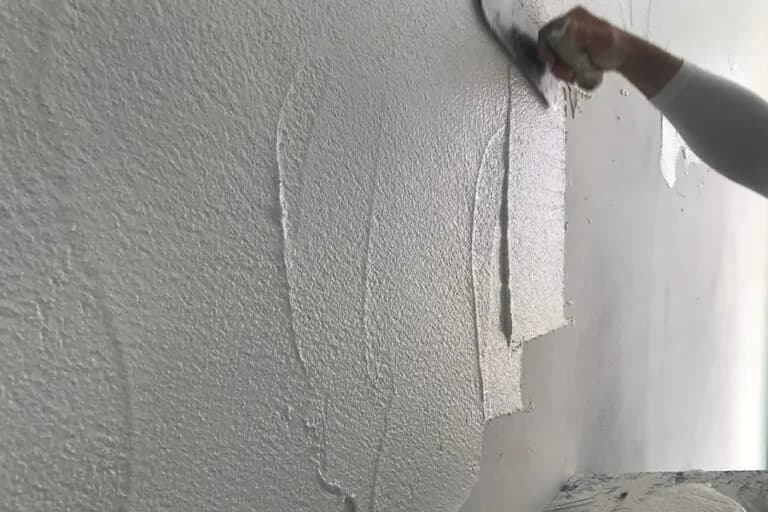
Painting is one of the most visible improvements you can make to a home, but the finish you get depends far more on preparation than on the paint itself. In Singapore, where humidity is high year-round, walls face a constant battle against moisture, mould and hairline cracks. Understanding how professional plastering and painting works — and why each step matters — will help you get a finish that looks good and lasts for years.
Why Preparation Matters More Than Paint
A common misconception is that expensive paint guarantees a good finish. In reality, paint is only as good as the surface it sits on. If a wall is dusty, greasy, damp or uneven, even premium paint will peel, blister or look patchy within months. Professional preparation typically involves:
- Cleaning the surface of dust, oil and contaminants
- Scraping away loose or flaking paint
- Filling cracks, holes and dents
- Sanding to a smooth, even surface
- Applying a suitable primer or sealer
- Skim coating where a premium finish is desired
Skipping any of these steps shortens the life of the paint job significantly.
What Is Skim Coating and Do You Need It?
Skim coating is a thin layer of plaster or joint compound applied across the entire wall surface. It fills minor imperfections and creates a smooth, uniform texture. Skim coating is recommended when:
- Walls are rough, patchy or previously repaired
- There are many small dents and hairline cracks
- Old paint has a heavy texture or orange-peel finish
- You want a premium, modern flat finish
Skim coating adds cost and time, but the difference in finish quality is often dramatic — especially under downlights that highlight every imperfection.
Common Wall Problems in Singapore Homes
1. Mould and Mildew
Singapore's humidity makes mould growth common, especially on walls behind furniture, in bathrooms and on ceilings near aircon units. Mould is not just a cosmetic issue; it can affect indoor air quality. Proper treatment involves removing the mould, applying a fungicidal wash, addressing the moisture source, and using mould-resistant paint.
2. Peeling and Blistering Paint
Peeling usually indicates moisture trapped beneath the paint film or poor surface preparation before the previous coat. The affected area must be scraped back, dried, primed and repainted.
3. Hairline Cracks
Cracks often appear at joints between different materials or where plaster has shrunk. Simply painting over a crack will not hide it. The correct repair is to open the crack, fill it, apply joint tape, and refinish the surface so movement is absorbed.
4. Water Stains
Brown or yellow stains on ceilings and walls indicate water ingress. The leak must be fixed first, then the stained area sealed with a stain-blocking primer before repainting, otherwise the stain will bleed through.
5. Chalking and Fading
Exterior walls in Singapore face intense sun and rain, causing paint to chalk and fade. Exterior repainting requires weather-resistant paint systems and proper surface cleaning before application.
Choosing the Right Paint for Singapore's Climate
| Area | Recommended Paint Type |
|---|---|
| Living and bedrooms | Low-VOC washable emulsion |
| Kitchens and bathrooms | Anti-mould, moisture-resistant emulsion |
| Ceilings | Low-splatter matt emulsion |
| Exterior walls | Weatherproof acrylic or elastomeric paint |
| Doors and metal | Enamel or epoxy paint |
Low-VOC paints are worth considering for homes with young children, elderly residents or pets, as they produce less odour and fewer irritants.
Two thin coats always outperform one thick coat. Thick coats trap solvent, dry unevenly and are more likely to peel.
What Does Plastering and Painting Cost in Singapore?
Typical ranges for a 4-room HDB flat:
- Full interior repainting (walls and ceiling): $1,200 – $2,500
- Walls only: $900 – $1,800
- Skim coating (full unit): $1,500 – $3,500
- Crack repair (per location): $40 – $120
- Mould treatment: $150 – $500 depending on extent
- Exterior repainting: quoted per project
Costs vary with surface condition, number of colours, ceiling height and whether furniture needs to be moved or covered.
Steps in a Professional Painting Project
- Site survey and colour consultation — assess surfaces and recommend a paint system
- Quotation — clearly state number of coats, paint brand and scope
- Protection — cover floors, furniture and fittings
- Preparation — scrape, patch, sand and prime
- Painting — apply primer and finishing coats evenly
- Touch-up and cleanup — inspect under light and correct any misses
How to Maintain Painted Walls
- Wipe marks with a damp cloth and mild soap promptly
- Keep rooms ventilated to reduce mould risk
- Run exhaust fans in bathrooms during and after showers
- Fix leaks immediately to prevent staining
- Touch up scuffs before they become obvious
- Avoid abrasive cleaners on painted surfaces
Final Thoughts
A great paint finish is the result of careful preparation, the right products and skilled application. Investing in proper plastering and surface treatment upfront means your walls will look better and last longer, even in Singapore's demanding climate.
XIN Long Building Construction provides plastering, skim coating, crack repair, mould treatment and interior and exterior painting across Singapore. Contact us at +65 8986 3549 for a free quotation.