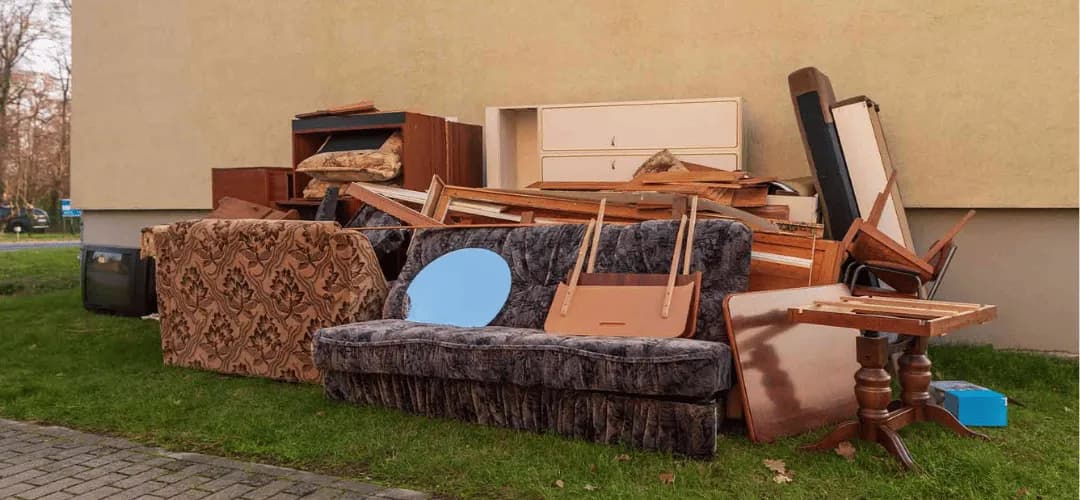
Every renovation, move-out or decluttering project generates waste — and in Singapore, disposing of that waste properly is both a legal requirement and a practical challenge. Bulky items cannot simply be left at the lift lobby, and renovation debris must be channelled through licensed disposal routes. This guide explains how dismantling and disposal works, what it costs, and how to plan a clearance that is fast, safe and compliant.
What Is Dismantling and Disposal?
Dismantling is the careful takedown of built-in structures and fixtures — wardrobes, kitchen cabinets, partitions, ceilings and flooring. Disposal is the removal and responsible handling of those materials plus general bulky waste.
Typical services include:
- Built-in carpentry dismantling
- Ceiling and partition removal
- Flooring removal and hacking
- Furniture and appliance disposal
- Renovation debris clearance
- Office, shop and warehouse clearance
- Sanitary fitting and fixture removal
- Estate and bulky item clearance
Why Proper Disposal Matters in Singapore
Singapore has strict rules about waste disposal. Improper dumping can result in fines, and leaving bulky items in common areas creates safety hazards and complaints from neighbours or management.
Proper disposal also matters environmentally. Singapore's only landfill, Semakau, has limited capacity, so recycling and correct sorting are strongly encouraged. Responsible contractors separate materials such as metal, timber and electronic waste so they can be recycled rather than sent to landfill.
Common Items That Require Special Handling
- Refrigerators and air-conditioners (refrigerant gases)
- Televisions and monitors (electronic waste)
- Mattresses and bulky furniture
- Construction debris such as tiles, cement and gypsum
- Fluorescent tubes and batteries
These items should never be mixed with general household rubbish.
How Much Does Dismantling and Disposal Cost in Singapore?
Pricing depends on volume, material type, access difficulty and whether a lift is available.
| Service | Typical Cost Range |
|---|---|
| Single bulky item removal (e.g. sofa) | $80 – $180 |
| Mattress disposal | $60 – $120 |
| Built-in wardrobe dismantling and removal | $150 – $450 |
| Kitchen cabinet dismantling | $200 – $600 |
| Ceiling removal (per room) | $200 – $500 |
| Flooring removal and hacking (per sq ft) | $1.00 – $3.00 |
| Full unit clearance (1–2 bedroom) | $400 – $1,200 |
| Renovation debris clearance (per trip) | $250 – $600 |
Always request a quotation based on photos, so there are no surprises on the day of clearance.
Never allow renovation debris to be dumped in common areas, bin centres or vacant land. The responsibility — and the fine — falls on the party who arranged the disposal.
How a Professional Clearance Works
- Photos and item list — you share what needs to be removed
- Site assessment — access, lift availability and volume confirmed
- Quotation — itemised pricing based on scope
- Dismantling — structures taken down safely
- Loading and transport — items protected during removal
- Disposal and recycling — sorted and channelled correctly
- Site cleanup — area swept and left tidy
Preparing for a Clearance
You can speed up the process and reduce cost by:
- Separating items you want to keep from items to be removed
- Clearing personal belongings from cabinets and wardrobes
- Disconnecting appliances where safe to do so
- Booking the lift or arranging a loading bay if required
- Informing neighbours or management about the scheduled works
- Confirming parking or access arrangements for the removal vehicle
Renovation Debris: Why Timing Matters
Renovation debris accumulates in stages. Removing it at the right moments keeps the site safe and workable:
- After hacking: Remove tiles, cement and plaster waste
- After carpentry: Clear timber offcuts and packaging
- Before painting: Clear all debris so surfaces can be prepared properly
- Before handover: Final sweep and removal of leftover materials
Some contractors offer scheduled clearance throughout the project, which is often more efficient than a single large removal at the end.
Recycling and Responsible Disposal
A good disposal partner will:
- Separate metal, timber and e-waste for recycling
- Route construction waste to licensed facilities
- Handle refrigerant-bearing appliances correctly
- Provide documentation where required for commercial projects
Choosing a responsible contractor is not just about compliance — it reduces the environmental impact of your project.
Common Mistakes to Avoid
- Underestimating the volume of items to be removed
- Failing to check lift dimensions and access routes
- Leaving disposal to the last minute before handover
- Engaging unlicensed disposal services
- Mixing recyclable materials with general waste
- Not protecting corridors and flooring during removal
Final Thoughts
Whether you are clearing a home before sale, emptying an office, or managing renovation waste, proper dismantling and disposal keeps your project moving and keeps you compliant. Plan ahead, get a photo-based quotation, and confirm that waste is being handled responsibly.
XIN Long Building Construction provides dismantling, debris removal, furniture disposal and full site clearance across Singapore. Contact us at +65 8986 3549 with photos of your items for a quick quote.